
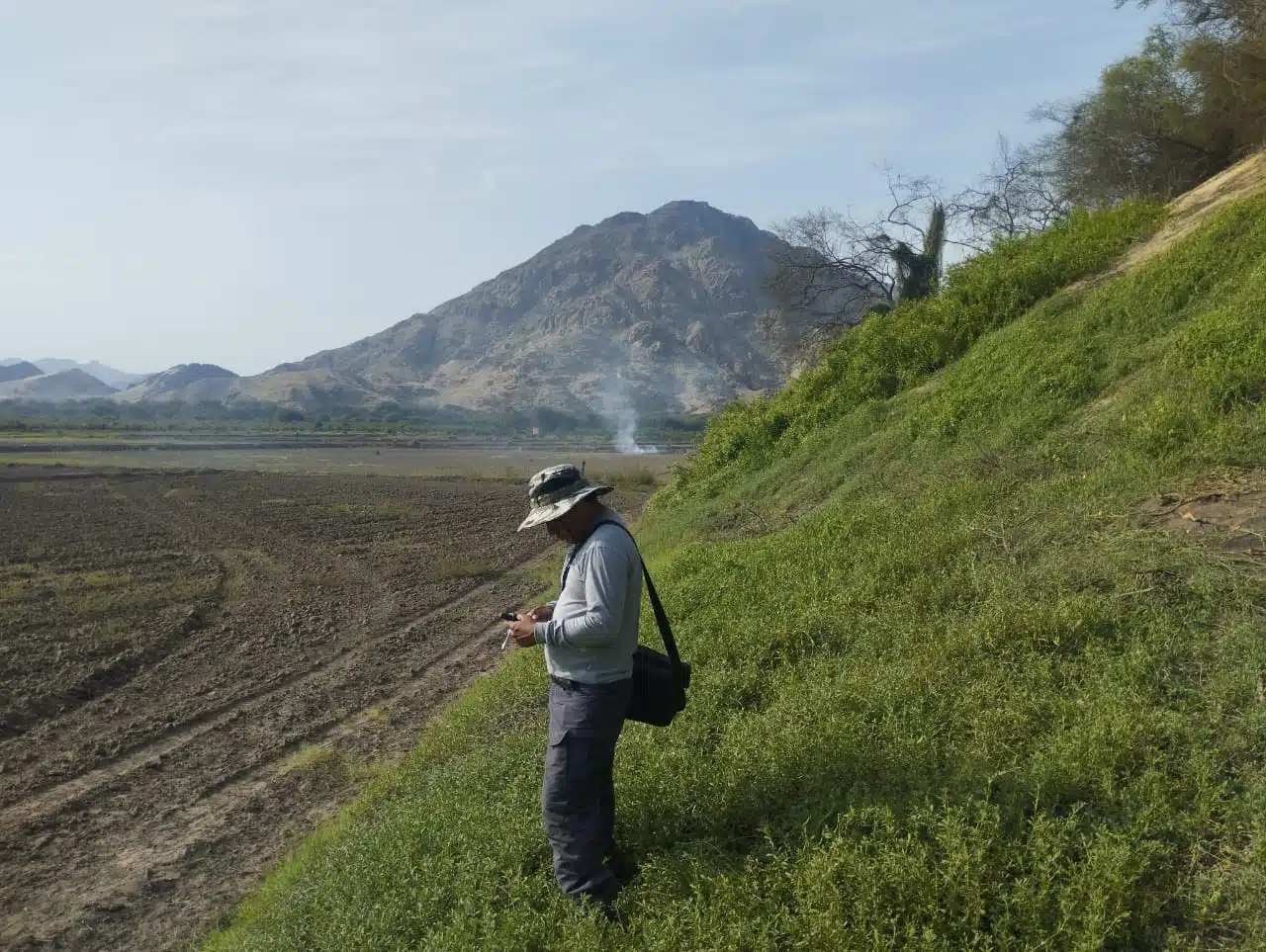
During March, we resumed forest patrols in dry forests as part of the conservation efforts led by A Rocha Perú. Returning to the field not only meant reactivating monitoring activities, but also reconnecting with the territory and closely observing the reality faced by this important and vulnerable ecosystem.
Throughout the patrols, we encountered different situations that reflect both the challenges and opportunities for conservation. In some areas, we identified people carrying out tree cutting, who were warned and reminded of the importance of protecting the forest and respecting existing regulations. We also had the opportunity to speak with tourists visiting the area, raising awareness about the impact of littering and the importance of keeping natural spaces clean.
However, not everything was cause for concern. During the walks, we also found encouraging signs. We observed growing algarrobo sprouts, evidence of natural regeneration, as well as trees in good condition and free of pests. These findings highlight the resilience of dry forests when it is properly cared for.
As part of the fieldwork, we also collected bottles and other waste found along the way. While this may seem like a simple action, it has a direct impact on the health of the ecosystem and helps create a cleaner and safer environment for biodiversity.
In addition, we visited the president of the San Pedro de Lloc community, strengthening relationships and dialogue with local stakeholders. This type of collaboration is essential for building sustainable, long term conservation strategies based on shared commitment.
These patrols remind us that conservation goes beyond monitoring. It involves educating, engaging, taking action, and, above all, being present in the local area. It is through this direct connection that real change happens and our commitment to protecting the dry forest is renewed.


